What If Tesla Innovations Shaped Today Electrical Engineering Landscape?
They Did. And He Still Lost the Business.
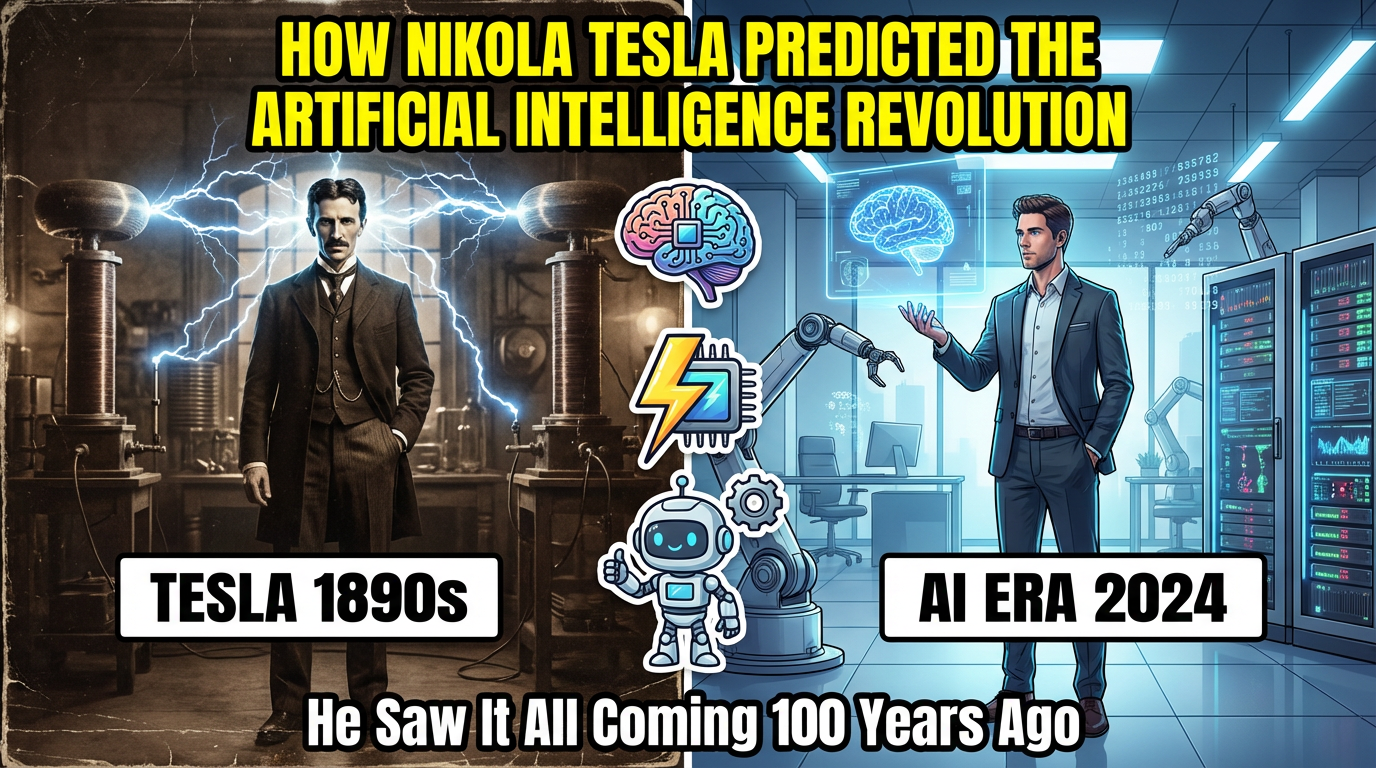
In 1888, Nikola Tesla brought a patent for alternating current to George Westinghouse. Westinghouse paid him an estimated 0,000 plus royalties. Tesla had the technology, the backing, and the moment. He still ended up dying alone in Room 3327 of the New Yorker Hotel in 1943, owing months of back rent.
The engineers who followed built the 20th century on his inventions. Tesla himself missed the upside entirely. That is not a story about genius. That is a story about go-to-market strategy.
By the Numbers
Tesla technical legacy and commercial collapse exist in almost comical contrast.
- Patents filed: An estimated 300 patents across 26 countries, a portfolio that would anchor a Fortune 500 company today.
- The royalty deal he gave up: Tesla voluntarily tore up his Westinghouse royalty contract to save the struggling company and received nothing in return.
- Global infrastructure: Alternating current systems based on Tesla designs supply the vast majority of the world electricity to this day.
The Business Read
Tesla is the patron saint of what venture capitalists call value creation without value capture building something transformative while failing to retain any economic stake in the outcome. He was an extraordinary inventor and a catastrophic allocator of his own equity.
Compare Tesla to Thomas Edison, who was a mediocre inventor by comparison but an exceptional operator. Edison built General Electric. The lesson is that technology without distribution is a charitable donation to the future.
What Tesla Got Right And Wrong
He got the physics right. Alternating current is objectively superior to direct current for long-distance power transmission, a fact Edison spent years trying to obscure. Tesla won the technical argument before it was even fully staged.
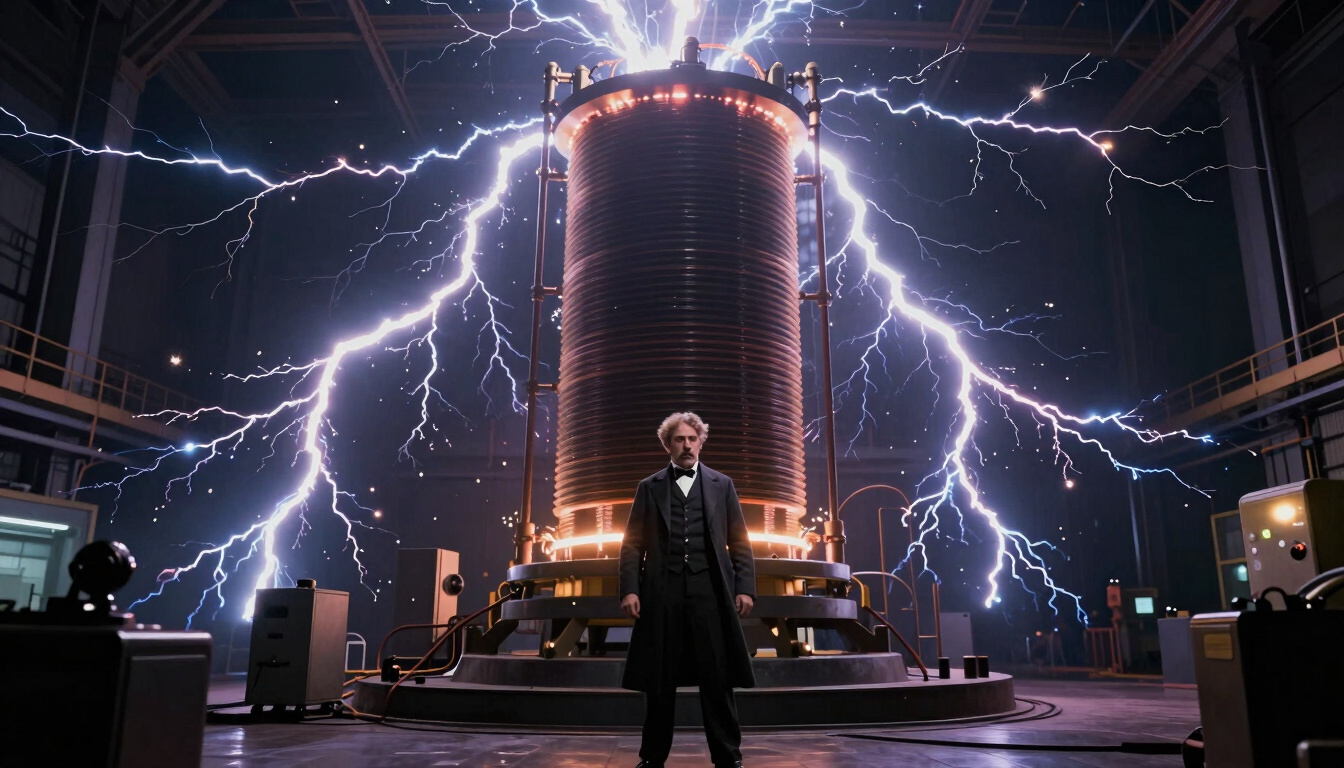
What he got catastrophically wrong was his relationship with capital. He trusted JP Morgan to fund Wardenclyffe Tower without locking in clear milestones or exit terms. When Morgan pulled funding, the project died and Tesla never recovered financially.
Any founder who builds world-class technology without protecting equity or distribution channels is running the same play with the same result.
The Strategic Takeaway
Technical brilliance without intentional commercialization strategy is philanthropy with extra steps. Build the technology. Then build the business model that captures the value you created.
The future belongs to those who invent it but the profits go to those who distribute it.
Tesla powered the modern world and died owing hotel bills. Somewhere, his business plan is still loading.